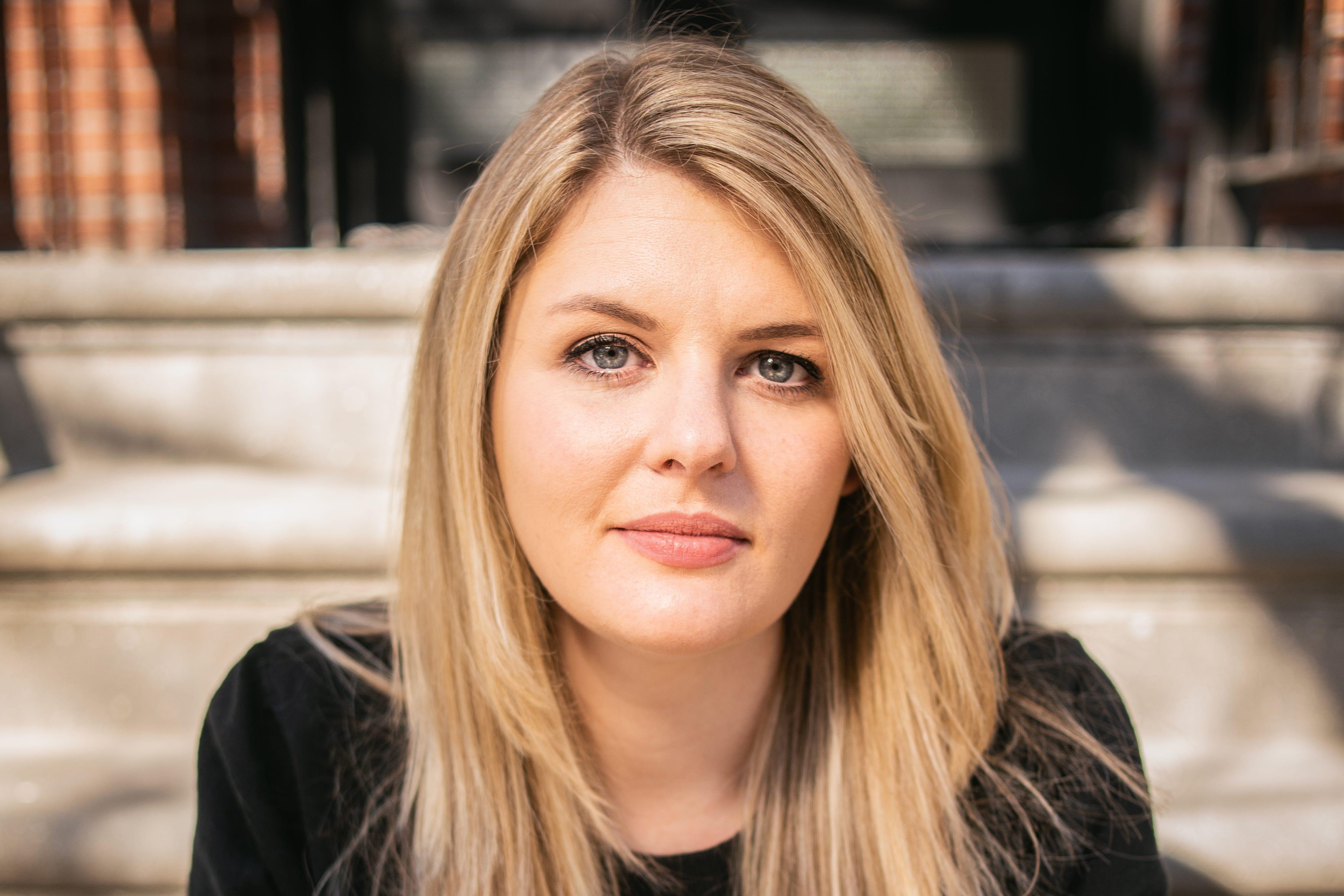
Julia Halperin talks Representation in the Art World, Data as Storytelling, and the Truth about Legacy
New episode of Beyond the Studio podcast

“Is progress in the art world just a mirage?”
That’s the question posed by an episode of The Art Angle podcast in 2022, which was our first introduction to The Burns Halperin Report.
Since then, we’ve been following the work of arts & culture journalist Julia Halperin (a regular contributor to the New York Times, editor-at-large of CULTURED magazine, and former executive editor of Artnet News) as she’s been collecting data from museums, galleries, and art auction results across tens of thousands of data points, alongside her collaborator Charlotte Burns, to form the largest report of its kind tracking equity and representation in the art world.
The results, unsurprisingly, are not good.
Women represent only 11% of museum acquisitions and Black American artists just 2.2% while a single artist (Picasso) accounts for higher overall auction prices than all women artists combined.
They’re currently in the process of updating the data to include the past five years, and in this episode of Beyond the Studio podcast we had a chance to speak with Julia Halperin about representation in the art world more broadly, data as storytelling, and the truth about legacy:
Besides shedding light on the inner mechanisms of the art world and structural realities we face as working artists, it also gave us a chance to talk about how contemporary artists are navigating these challenges while defining success and legacy on their own terms.
We don’t get to decide what the story is. The data tells us what the story is.

We’ve come to see it less as something that is going to inspire the system to change, but something that will empower the people who already want to change the system, and help them do that and educate and to hold the ecosystem accountable on the way.
In this episode, you’ll hear more from Julia on why structural progress is so slow to manifest in the art world, the sobering realities about representation of female-identifying and Black American artists with new data to back it up from the Burns Halperin Report, how to actually create change from the inside out within museums, using data collection to shape decisions in our own personal lives, how frustratingly arbitrary legacy-defining moments in the arts can seem, and why she’s interested in telling stories that haven’t been told yet.
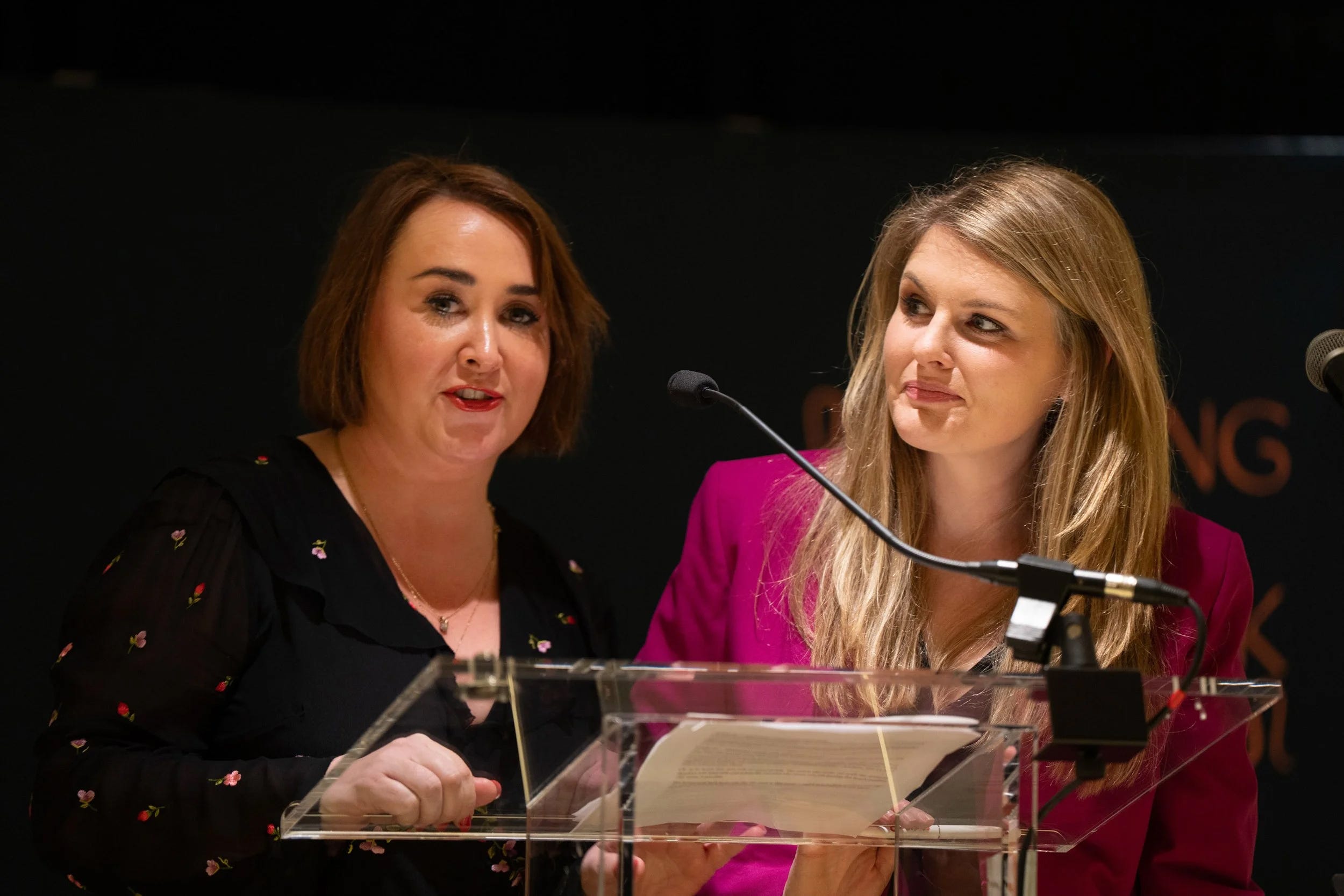
Follow more of Julia’s work at juliahalperin.com, on Instagram at @juliahalperin, and listen to our latest episode to hear more:
Other resources mentioned throughout the episode…
“Is Progress in the Art World Just a Mirage?” on The Art Angle
“Here’s Every Element of the 2022 Burns Halperin Report, All in One Place” on Artnet News
Listen below on Spotify, Apple Podcasts, or wherever you enjoy listening:
More from your co-hosts…
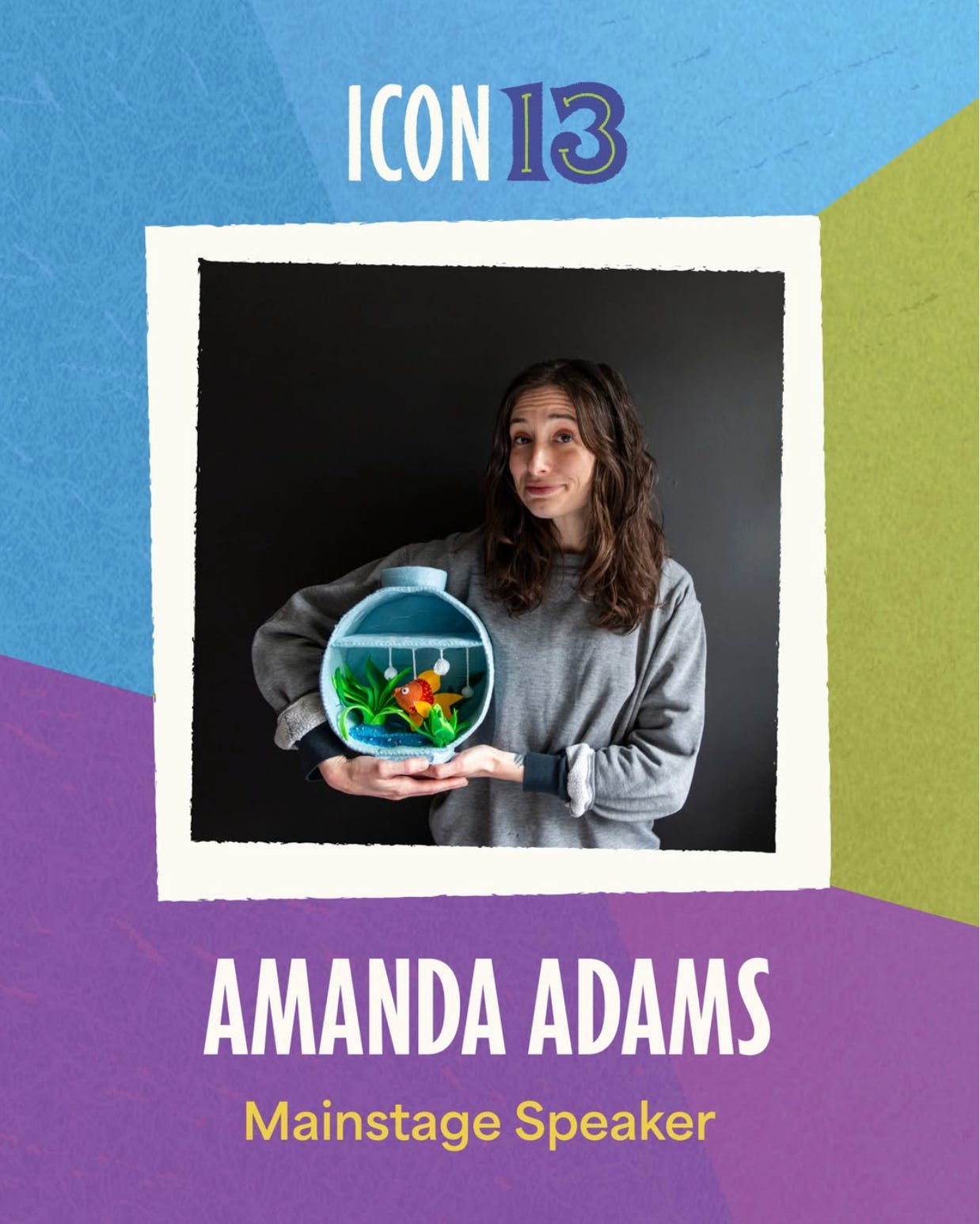
If you found yourself in Baltimore for ICON13 Illustration Conference, then you might have heard Amanda Adams (a.k.a. Close Call Studio) give a talk on the Mainstage: “Soft Sculpture and Hard Business” where she explored the role of hand-made art in shaping a sustainable creative life, reflected on her experiences building a career across multiple income streams while navigating the challenges of long-term practice.
Anyone here attend the conference? Let us know in the comments below!
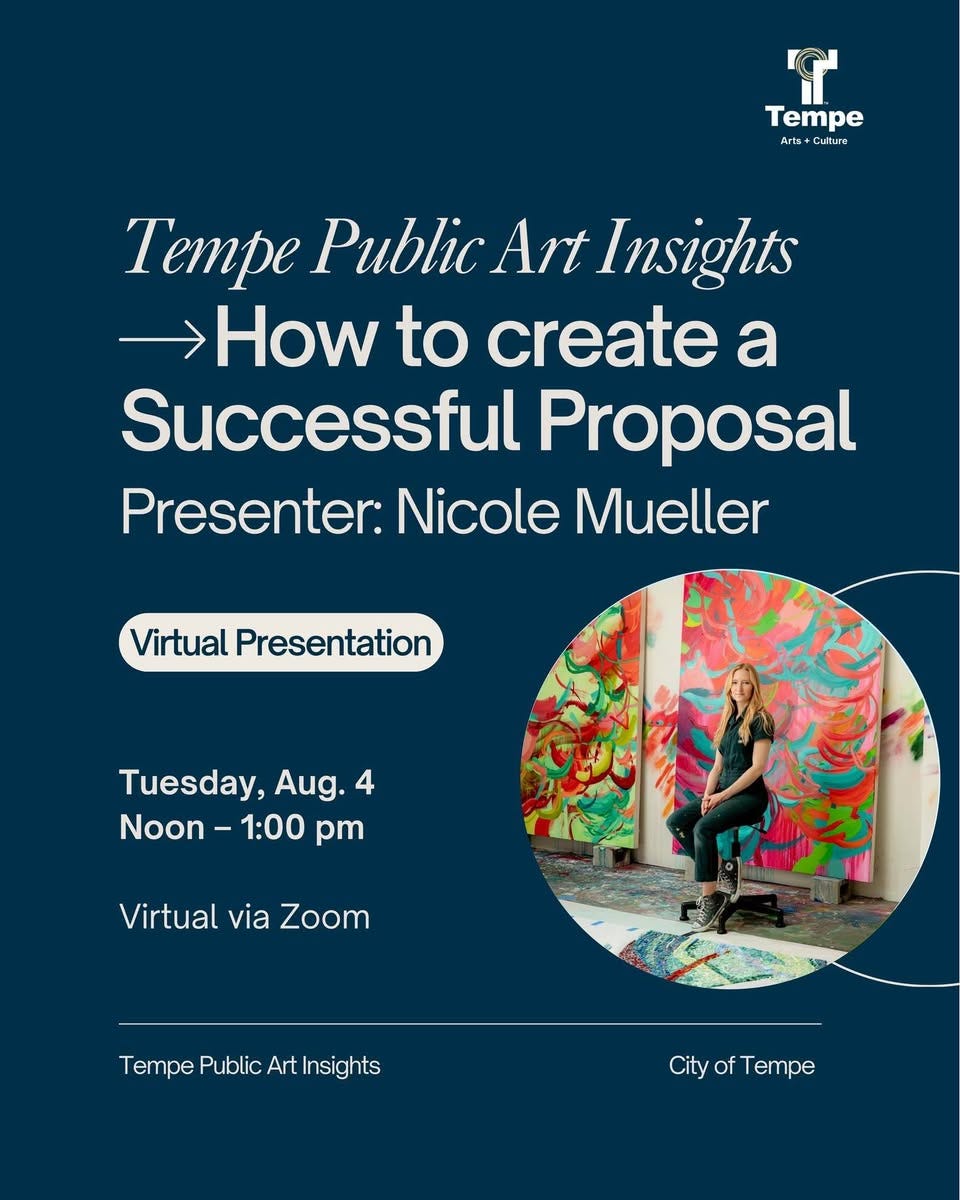
Next Tuesday, August 4th Nicole Mueller is partnering with the City of Tempe, Arizona Arts + Culture to host a virtual workshop on “How to Create a Successful Proposal” in order to secure more public art projects for your studio practice.
We’ll share practical strategies for presenting your work with clarity and confidence. From responding to project criteria to visually communicating your ideas, this free virtual workshop covers key elements of a successful proposal.
You can register at the link above or by going to this link.